
BIG BAD WOLF Flashlight and Batteries
Light economy for a sound-hunting wolf—see enough to board, not enough to get caught.
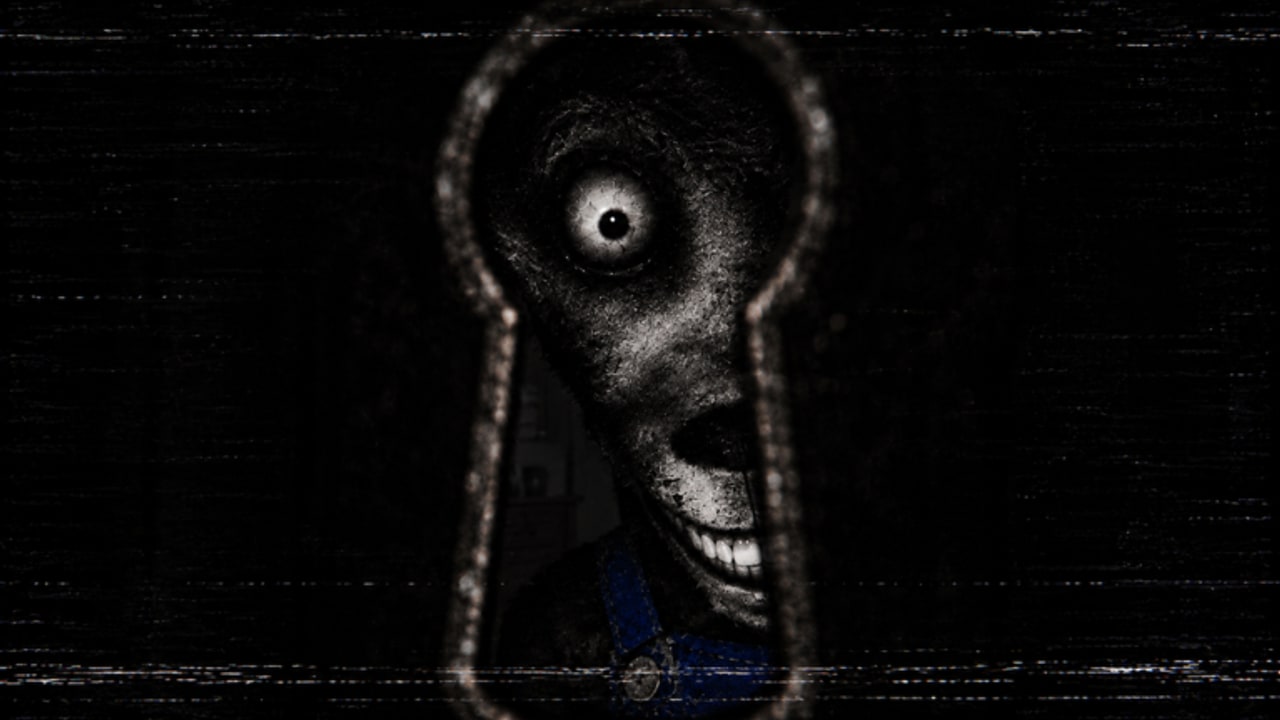
In BIG BAD WOLF the flashlight is both a tool and a liability. You need light to find batteries, boards, tools, tapes, electrical parts, and keys across the 1989 farmhouse—but the wolf hunts by sound, and careless beams at windows or long lit walks create the same kind of attention that footsteps do. This guide teaches when to stay dark, how to scout batteries, and how to trade beam for safety without stranding yourself in a black basement.
Start from Getting Started if you still lack a first light. Night objectives that force basement and attic travel are covered in Survive All 7 Nights. When the beam is off, your other survival tools are Hiding and Stealth and smart Co-op battery runners.
When to use light vs stay dark
Use light for short, purposeful scans:
- Confirming a window plank placement
- Checking a table, chair, or floor tile for a community-reported tool or part
- Reading a basement corner you already approached quietly
- Signaling a teammate only if your group agreed on that callout
Stay dark when:
- Relocating between rooms after a scare
- Crossing hallways near open or weak windows
- Waiting in a closet, under a bed, or in a wardrobe
- Carrying planks on a route you already memorized
- The wolf audio is close and you are not mid-critical interact
Default mindset: the beam is a burst tool, not a headlamp. Click on, identify, click off. Players who leave the flashlight on while sightseeing burn batteries and advertise motion through lit windows.
Battery scouting routes
Treat batteries like a renewable but scarce resource. Build a ground-floor loop you can run at the start of each night: rooms you already cleared for windows, surfaces you can scan in two seconds, and a drop point near your main shelter. Then add a basement spur only when Night 4-style electrical work or the food-room radio sequence demands it.
Efficient solo pattern:
- Dark-walk into a room.
- Pulse the light across floor and furniture tops.
- Grab battery or note empty.
- Kill beam before exiting.
- Deposit extras in a remembered stash near boarded rooms—not scattered in random drawers you will forget under pressure.
In co-op, assign a battery runner who restocks while the barricade player finishes three-board seals. Solo plank carries max out near two planks; do not ask one player to haul boards and empty the house of batteries in the same breath. Role details live on Co-op Survival.
Beam vs sound tradeoffs
The wolf’s primary sense is sound, but light still changes your risk profile:
- Lit movement makes you faster at tasks and worse at staying unnoticed near windows.
- Dark movement is safer for travel and worse for finding small floor parts.
- Lit boarding reduces misclicks on window prompts and can silhouette you from outside.
- Dark hiding is mandatory—do not advertise a closet with a glowing crack of light.
If you must sprint, do it dark on a memorized path toward a hide. If you must search a cluttered floor for Night 4 electrical parts, accept short beams, then extinguish before the stair climb. Never combine full sprint + full beam + phone interact; that stack is how nights end.
Shining at windows
Windows are the farmhouse’s soft points. Boarding them is essential; shining through them is optional and often unwise. Use the beam on a window only long enough to align a board prompt or confirm the seal. Sweeping the yard with light “to see the wolf” rarely helps and can create a beacon while you are stuck in the interact animation.
Better window habits:
- Approach dark, board with a brief beam if needed, extinguish, move to the next pane.
- Keep furniture ready on interior doors so a failed window defense still buys retreat time.
- If you see or hear pressure at the glass, prioritize finishing the board or abandoning to a hide—not sightseeing with the flashlight.
Community-reported mid-week tasks (tools, tapes, electrical parts, attic key, food/radio order) all compete for the same battery pool. Budget light for the objective rooms listed in Survive All 7 Nights, not for re-checking empty Night 1 corridors.
Flashlight during jumpscares and catches
BIG BAD WOLF uses jumpscares without gore. When you get startled, your first reflex is often to flail the camera and leave the light on. Break that habit: if you survive the moment, kill the beam, enter a hide, and reset. A catch still removes you for the night and moves you to spectate—teammates should not burn their last batteries trying to light your corpse path. Living players keep the economy alive for the next objective.
Practical night budgets
- Night 1: Spend batteries on mapping and first boards; leave a reserve.
- Night 2–3: Save bursts for tool and tape surface checks.
- Night 4: Reserve a dedicated basement budget; dark-travel the stairs.
- Night 5: Random attic key searches punish empty packs—carry a spare before you go up.
- Food/radio sequence: You need enough light to place three boards and move the bookshelf in the basement food room; assemble the radio only after sealing.
- Night 6–7: Spend on reinforcement quality, not exploration vanity.
Linked systems worth practicing together
Light discipline fails if your binds are unclear—review Controls. Hide timing matters when you choose darkness over beam—use Hiding and Stealth. Track patch changes that might move spawns via Updates. For navigation across the rest of the site, use the Guides Hub, Players Hub, Tier List, Codes, Scripts, and Wiki.
Master the off switch and BIG BAD WOLF becomes a resource game instead of a panic maze. See enough to act. Stay dark enough to live.
Frequently Asked Questions
Quick answers to the most common questions.
Should I leave the flashlight on while exploring?
No. Use short bursts to scan, then turn it off before you travel, hide, or stand near windows.
Is shining at windows useful?
Only briefly to place or check boards. Sweeping the yard with light usually increases risk without helping boarding.
Who should carry batteries in co-op?
Assign a battery runner so barricade players can focus on planks and three-board seals.
What if I run out of batteries mid-objective?
Abort to a known dark route, hide if pressured, then run your ground-floor battery loop before re-entering basements or attics.