
BIG BAD WOLF Hiding and Stealth
Use beds, closets, and wardrobes correctly when the wolf hunts by sound.
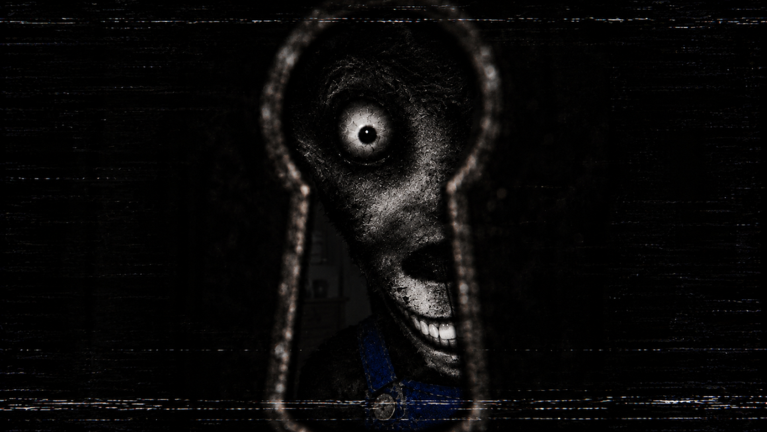
Stealth in BIG BAD WOLF is not invisibility—it is sound control plus a planned hide. The wolf in overalls tracks noise through the 1989 farmhouse. Boards and furniture buy time; closets, beds, and wardrobes reset bad situations. This guide covers where to hide, when to relocate, how furniture pushes fit the stealth loop, and what to do if he enters your room. Pair it with Flashlight and Batteries so you are not glowing inside a wardrobe, and with Survive All 7 Nights so hides support real objectives instead of panic camping.
New players should finish Getting Started first. Co-op teams should align callouts on Co-op Survival so two people do not dive into the same closet while a third sprints loudly downstairs.
Closets, beds, and wardrobes
All three hide types matter:
- Beds — Fast to enter from hallways and bedrooms; good emergency drops when you are already mid-room.
- Closets — Strong when you can shut the world out and wait; watch your entry noise and exit timing.
- Wardrobes — Similar to closets; treat them as full resets, not drive-by peeks with the flashlight on.
Before Night 1 ends, walk each floor and memorize at least two hides within a short dark sprint of your boarding zones. Mid-week community-reported tasks (tools, tapes, basement electrical parts, attic key, food/radio room) pull you into unfamiliar corners—pre-marking hides near those routes is the difference between a scare and a catch.
Enter hides with the beam off. Exit only after audio calms. If you mash out the moment a jumpscare ends, you often step into the same pressure that forced you under the bed.
Furniture pushes as stealth tools
Furniture on doors is not decoration. Pushing a piece onto a doorway slows the wolf’s entry and creates a window to finish a board, kill your light, and reach a closet. Use furniture on doors that protect:
- Rooms where you are mid three-board seal
- Basement stair approaches during electrical or food-room work
- Shelter rooms you reinforced on Night 6
Furniture is temporary. Do not assume a blocked door means you can sprint and shout. It means you bought seconds—spend them on silence and hides, not victory laps. Solo players already limited to about two planks per carry need those seconds during multi-trip seals.
Sound discipline checklist
Stealth fails from stacked noise:
- Sprint only toward a known hide or to finish a critical board under immediate pressure.
- Walk scavenger routes for Night 2 tools and Night 3 tapes.
- Close interactions cleanly—boards, bookshelf moves, radio assembly after the proper seal order.
- Treat the phone as a loud object; interact only with an exit hide planned.
- Drop the flashlight habit of leaving the beam on while you “listen.”
The wolf hunts by sound. Every unnecessary footstep is a beacon. In co-op, one noisy teammate can pull danger onto a quiet barricade pair—call it out early.
When to relocate
Staying in one hide forever is unsafe if he camps the room. Relocate when:
- He has entered and lingered after you hid
- Your hide was the only cover in a dead-end you still need to leave for an objective
- A teammate is drawing him elsewhere and your audio window opens
- You need batteries or boards and the current room is compromised
Relocation rules: beam off, short path, pre-chosen destination, no sightseeing. Move bed → hallway closet or closet → opposite-wing wardrobe—not bed → open kitchen with the light on. If you are unsure, wait one extra audio cycle; impatience causes more catches than slow play.
What to do if he enters
When the wolf enters your space:
- Stop amplifying noise—no panic sprint unless the hide prompt is a step away.
- Take the nearest valid hide (bed, closet, wardrobe).
- Extinguish the flashlight if it is on.
- Wait through the jumpscare tension; the game uses scares without gore, but flinch-moving still breaks stealth.
- If caught, you are out for the night and spectate. Living teammates continue—do not demand they blow stealth for revenge paths the design does not support.
Spectators can still help with callouts in co-op voice or chat: wolf floor, broken boards, unfinished seals. Living players should glance at Controls if they fumble hide prompts under stress.
Stealth while completing night tasks
Community-reported objectives force movement. Stealth does not mean ignoring them—it means wrapping them in quiet loops:
- Night 2 tools — Dark enter, pulse light on floor/table/chair, grab, leave, reinforce windows before greed scavenging.
- Night 3 tapes — Clear one wing at a time; hide when audio spikes instead of finishing “just one more.”
- Night 4 electrical — Basement trips in bursts; upstairs hide ready before you descend.
- Night 5 attic key — Random spawns punish tunnel vision; leave stamina and a hide plan for the retreat.
- Food/radio — Collect all food and radio parts first without assembling; seal the basement food room with three boards; move the bookshelf; assemble last. Stealth matters most during the seal and bookshelf move.
- Night 6–7 — Play tighter; unfinished boarding turns every hallway into a risk.
Watch a coordinated clear to see pacing—the Night 2 four-player footage embedded here shows how teams board and move without constant sprinting. Then practice the same patience solo.
Common stealth mistakes
- Hiding with the flashlight still on
- Choosing a hide you never tested for prompt reliability on your device
- Relocating through the brightest, longest hallway
- Stacking phone use on top of broken windows
- Sending the whole co-op squad into one closet
- Leaving spectate silence when you could call wolf position for living teammates
Keep learning
Stealth is the spine of every other guide on this wiki. Return to Survive All 7 Nights for objective order, Flashlight and Batteries for beam rules, and Co-op Survival for role-based quiet play. Browse the Guides Hub, Players Hub, Tier List, Codes, Scripts, Updates, and Wiki when you need adjacent pages.
Quiet players finish nights. Loud players spectate them.
Frequently Asked Questions
Quick answers to the most common questions.
Where can I hide in BIG BAD WOLF?
Under beds and inside closets or wardrobes. Learn at least two hides per floor near your boarding routes.
Should I keep the flashlight on while hiding?
No. Turn it off before or as you enter a hide so you do not advertise the spot.
What happens if the wolf catches me?
You are out for that night and spectate. Teammates can continue the night without you.
When should I leave a hide?
After audio calms, or when you must relocate because he is camping your room—always move dark to a pre-chosen next hide.
Does furniture replace hiding?
No. Furniture on doors only buys time so you can finish a board or reach a bed, closet, or wardrobe.